


Member Newsletter -October 2026
We love being YOUR #1
In 1952, IP Mill employees decided they needed a financial institution where they could save and borrow. A place to do business today and plan for the future. A place they could count on to do what's in the best interest of the entire group, not just the highest account balance holders. Out of that necessity, GKCU was chartered and has grown to be more than just a financial cooperative but a home for our members to become financially successful. We do what we do for YOU, and that is why we are extremely proud to be YOUR choice each and every day.
We recently received recognition as the Georgetown Times' Readers' Choice GOLD winner in the Bank and Credit Unions categories. While we value the award and what it means that the community sees our commitment and value, YOUR trust and satisfaction mean the most to us. We want to see you in our branches, opening services to make your savings grow. We want to hear you on the phones asking for account details. We want you to visit our ATMs to get cash and use our online banking to check balances, deposit checks remotely, and pay bills. We want you to visit our website to apply for car, boat and home loans. We want you to get the most from your membership and tell your friends to join too. We are who we are because of who we do it for - YOU. So thank you for choosing us because it makes us continue what we began over 74 years ago - to be your #1 financial provider - and we think those men and women would be so proud of the legacy of improving lives we've built. ~GKCU
The Early Elf Gets the Bags!
Start that Holiday Shopping Early. Whether you're looking for the deals or trying to skips the crunch, we're letting you shop earlier.
Holiday Loans - up to $2000
for 11 months at 12%APR*.
*Subject to credit approval. Applications must be turned in at a branch.

Carve Out Fun This Holiday
It's officially 'holiday season'. That time when calendars get fuller, shopping lists get longer, and budgets seem to be magically disappearing right before our eyes. On average, consumers spend almost $900 on gifts, decorations, and food during the holidays. Keeping a watchful eye on your finances shouldn't keep the family from enjoying the excitement of the holidays. Here are some tips for a spooktacular season the whole family will enjoy.
*Make a year-end financial plan. Start with your monthly income and subtract expenses you've already committed to. With the remainder, divide it into two categories: savings and holiday. Add any club savings you have been setting aside throughout the year. Review expenses to see where you can cut or eliminate.
*Make a holiday list. Santa has a list, so you should, too. Have a spending limit per family member and keep running totals so you know how much you are spending. Have a weekly check-in with other family members to make sure you are all staying on task.
*Collaborate with family members to make larger gift purchases. Oftentimes, grandparents and other relatives want to help out without having to do the shopping.
*Reuse and DIY what you can.
*Be ok with doing less. Do not feel the need to compete with friends/family or even holidays past. Your current finances are what you have to deal with, so make the most of it.
Being prepared for the holidays will help you focus more on the holiday itself versus your wallet. After all, isn't it the memories and time together the most important reason for the season?
Ideas for the Whole Family
*Buy one big pumpkin for the whole family to carve together, or opt for a plastic pumpkin you can repaint each year.
*Costume Contest using only existing items in the house (or yard). Create a fun theme or movie to get creative juices flowing.
*Friendly Potluck or Movable Feast. Each family decorates and treats neighbors to light snacks and a game.
*Work with your neighbors to create a theme trick-or-treat trail. Share decorations. Designate a type of candy per house. Create a BINGO card for visitors to complete to encourage fun for the whole street.
*Make Halloween baskets for nursing home residents, shut-ins, and disabled veterans.
*Send cards to servicemen and women complete with treats from home.
*Pet Costume Contest: Each family member gets to dress up the family pet in a holiday costume. Get the neighbors involved and have a pet parade!
*Set up an outdoor theater and watch some timeless classics. Make S'mores and popcorn with holiday apple cider.
Go Where the Road Leads You
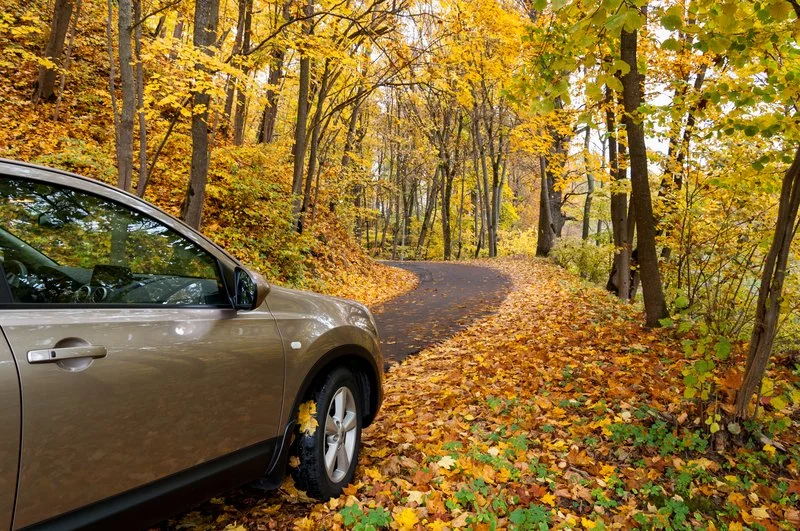
Summer gets the glory for being the time to hit the road, but in all honesty, what's better than a crisp autumn day with the windows rolled down, your favorite music on the radio, and nothing but tree-lined foliage as your guide to your next stopping place? Whether you're heading to the park for a picnic or packing a hiking bag for the weekend, fall is a great time to get in your car and go.
Before you start the engine on your next adventure, ensure that your ride is in tip-top condition. From the engine to the tires, all the detailing in between will make your ride much more enjoyable.
Cooler temperatures can affect some auto systems, including AC and tires. Make sure your filters are clean and replace them if needed. Check your tire pressure and inflate them to the proper levels.
Next, check that sticker in the upper windshield to see if it is time for an oil change. Check the belts, hoses, and all car fluids, too. Do a quick check of the battery so you aren't stranded with no home home.
Then, give your car a good deep cleaning to move from sandy summer memories to festive fall adventures. Wash and wax the exterior, vacuum and wash the floor mats, clean the windows, replace wiper blades, and change out the air freshener. Check on emergency kits and supplies for, well, emergencies.
Finally, fill it up! Keeping your car from 'running on empty' will help the systems stay in tune and even help keep your wallet fuller with quicker, more frequent stops so you can get to your final destination with ease.
Fill Up on Fall Fun
· Picnic Days: Fill a basket with your favorites and head to the beach, the park, or the river for a picnic. Bring a book and share reading a chapter, or bring a board game, but make up 'outdoor' rules.
· Set up an outdoor stage and have a family theater day. Dress up as your favorite characters or write your own story!
· Visit a nearby pumpkin patch or apple farm. Make the day even better by planning a recipe to make with what you bring home.
· Go on an outdoor scavenger hunt. Document what you find with pictures on your phone. Print the pictures and put them in homemade frames to remember the day.
· DIY wreaths. Pick up inexpensive wreaths and then head outdoors to find natural plants and berries to decorate them. Be sure to inspect for bugs before bringing them into the house.
New Plastics Coming Soon
GKCU VISA Debit & Credit Cards will be re-issued to any member who has not already received his/her new 'contactless' tap card. Cards will be sent via mail early December. If you already received a new card (via mail or in the branch), you will not receive a new card.
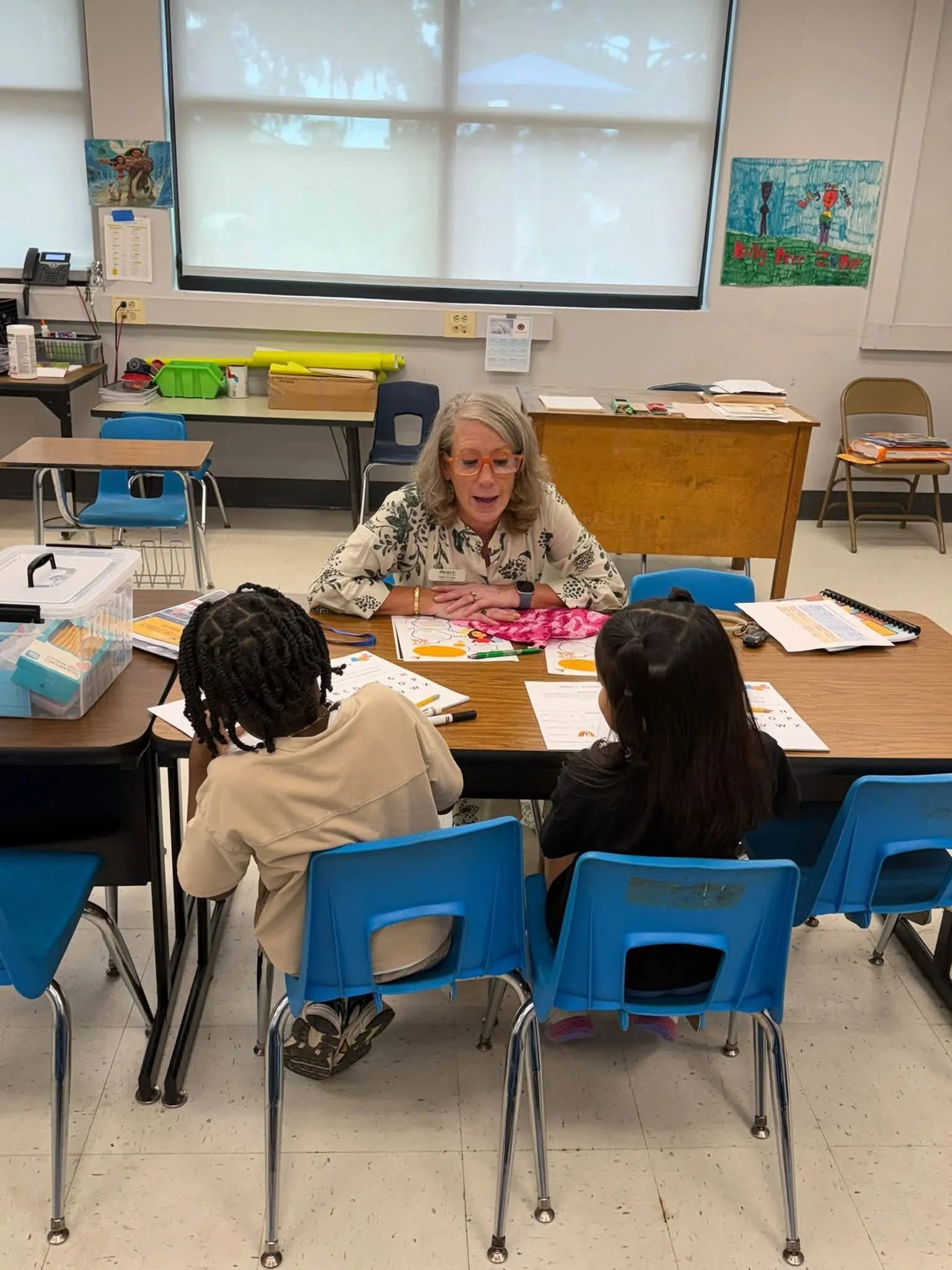
(L): State of the Community sponsored by the Georgetown County Chamber. Learning the future of our community. (C): Recognizing Baskervill Food Pantry as the NonProfit of the Month for September to encourage donations and volunteering (R): Volunteering with Black River United Way to help with literacy skills in our schools.